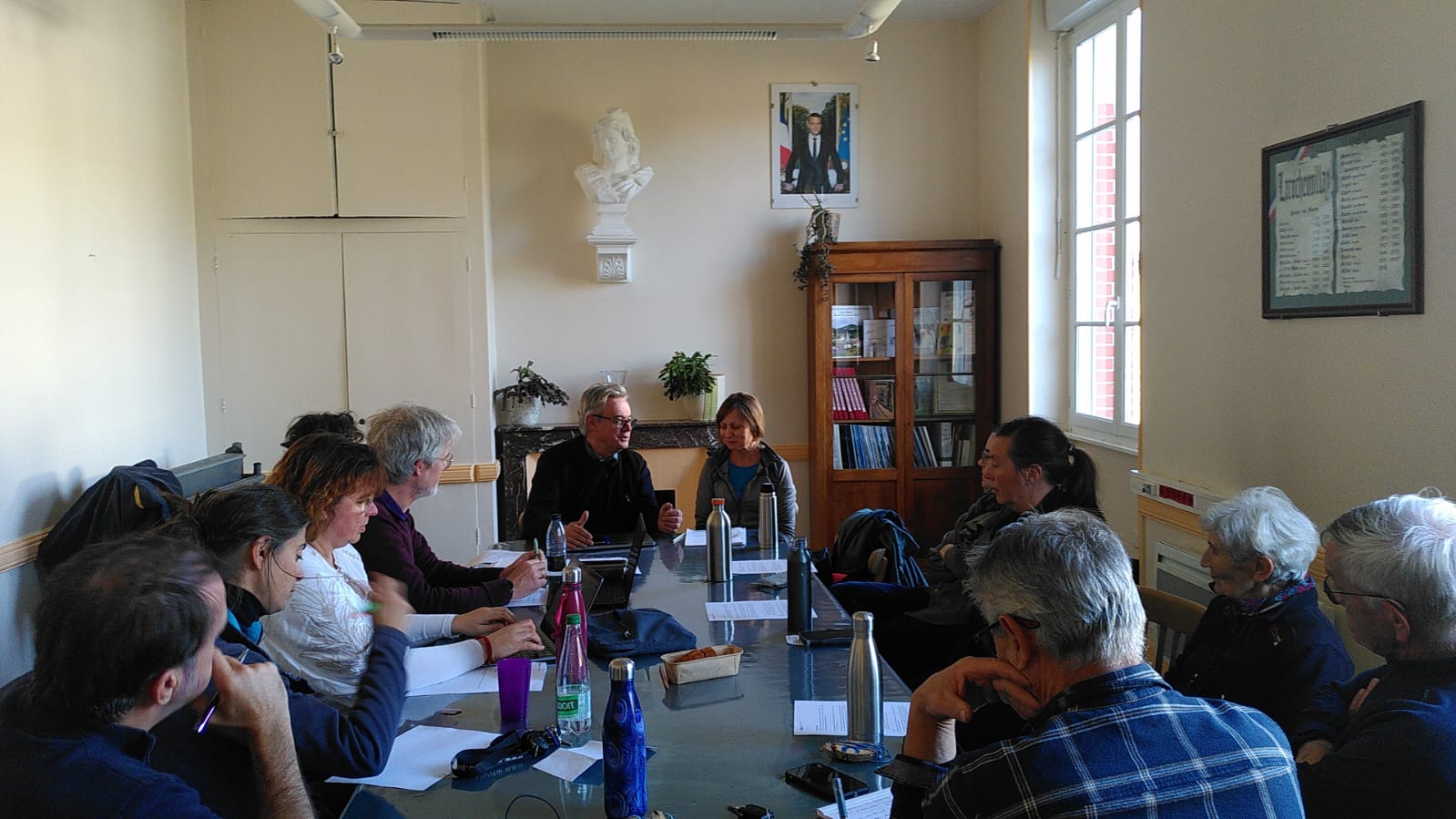
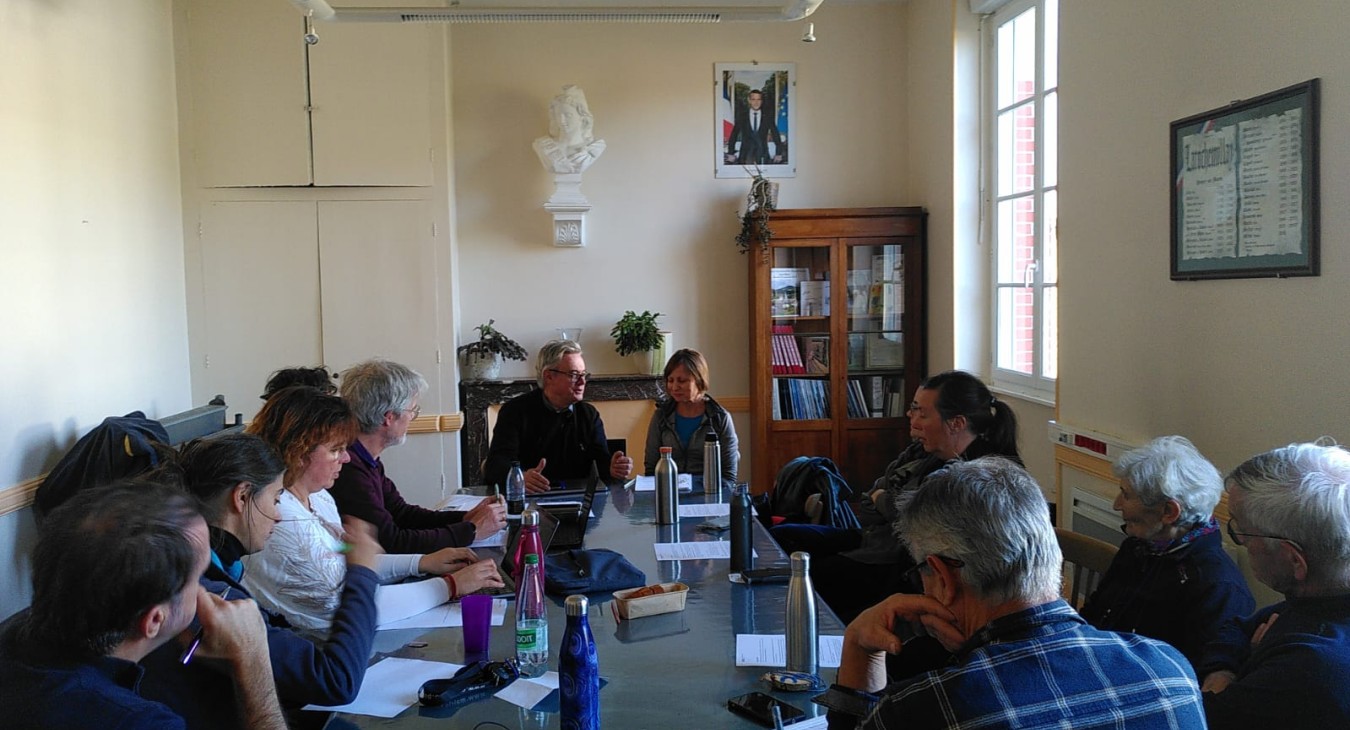
As part of the Entretiens de Bibracte-Morvan 2025 (https://secretourproject.eu/news/entretiens-de-bibracte-morvan-2025-landscapes-commons), a workshop was organized by the Copenhagen Business School (Work Package 2) to support the pilot project led by Bibracte in the ideation of a collaborative business model for cultural and creative tourism and heritage community development.
The workshop was designed as a time for reflection and co-construction, laying the first foundations of what could become a territorial project cooperative to support initiatives related to cultural tourism within the framework of the Grand Site de France approach implemented at Bibracte.
Workshop objectives:
- To map ongoing projects led by local stakeholders involved in the pilot project and understand their respective added values in the following areas:
- Agriculture: local producers’ association
- Tourism and services: Tour du Morvan des Sommets hiking route; Bibracte Ultra-Trail project
- Culture and heritage: Chemins cultural association (cultural walks and heritage workcamps)
- To explore potential synergies among these projects
- To initiate a collective reflection on what a future territorial cooperative dynamic could look like—based on principles of circularity, shared resources, and the valorization of the territory and its landscape heritage.
The workshop was facilitated by Rosa Ana de la Viuda Daganzo and Carsten Jacob Humlebæk, from Copenhagen Business School. It brought together five socio-professional participants from the Bibracte pilot project, all leading initiatives to promote the cultural and touristic value of the natural and cultural heritage of the Grand Site de France Bibracte-Morvan des Sommets: representatives from the pilot’s “rural paths” and “tourism” working groups, the local producers’ association, and the Chemins cultural association.
Speakers from the Entretiens de Bibracte-Morvan also joined the discussions, sharing their suggestions to strengthen the economic sustainability and long-term viability of the pilot project.
The workshop led to a shared vision of what a Société Coopérative d’Intérêt Collectif (SCIC)—a collective-interest cooperative company—could look like for the territory. SCICs are designed to produce or deliver goods and services of collective interest with social utility. They are effective governance tools for managing shared resources, bringing together employees, users, local authorities, and public services, organized into representative groups.
In the coming months, the Bibracte project team aims to begin telling the story of local initiative, to assemble an offer meeting tourism and market requirements, while continuing to reflect on the form and structure of the future cooperative management tool.