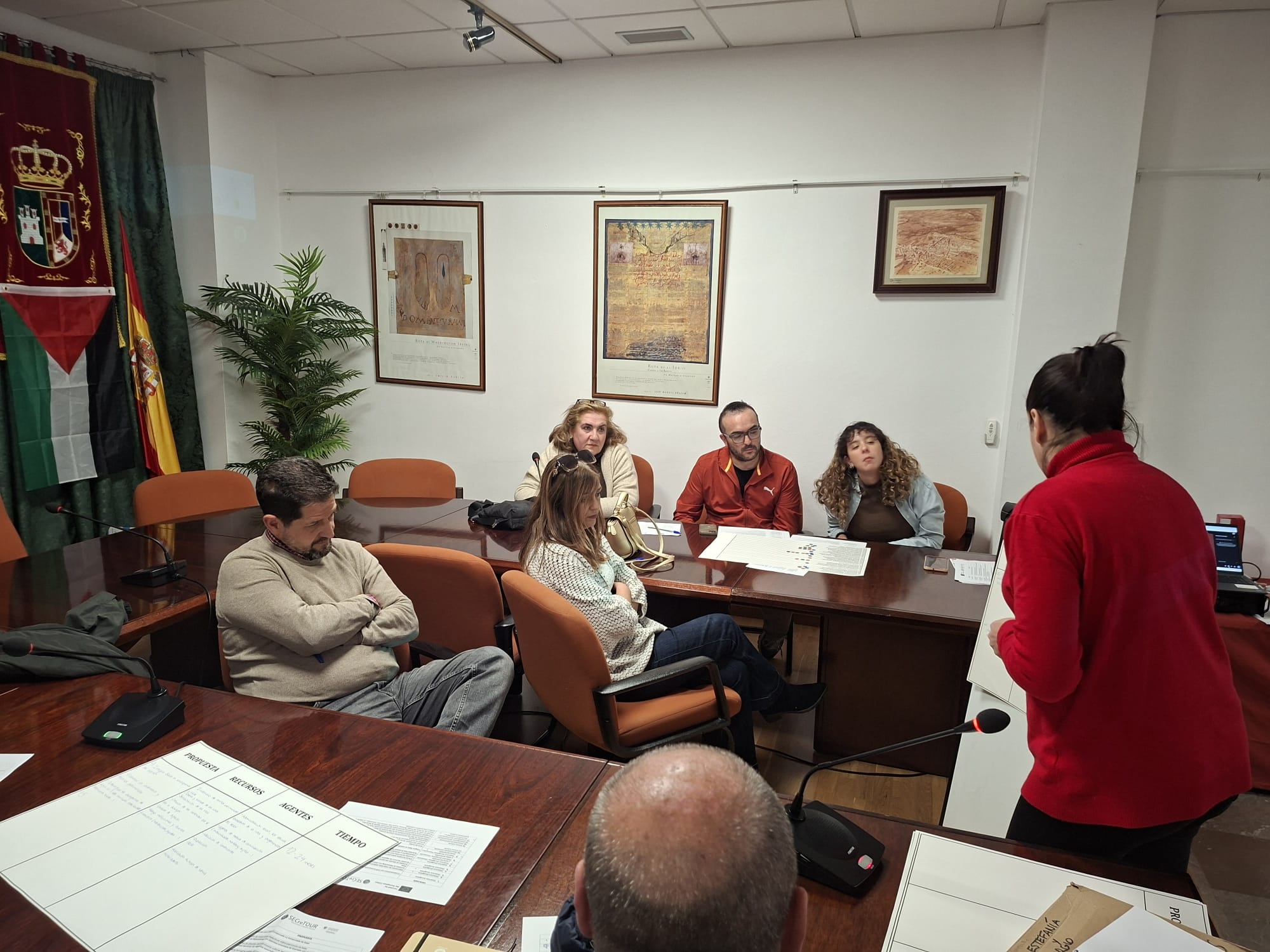
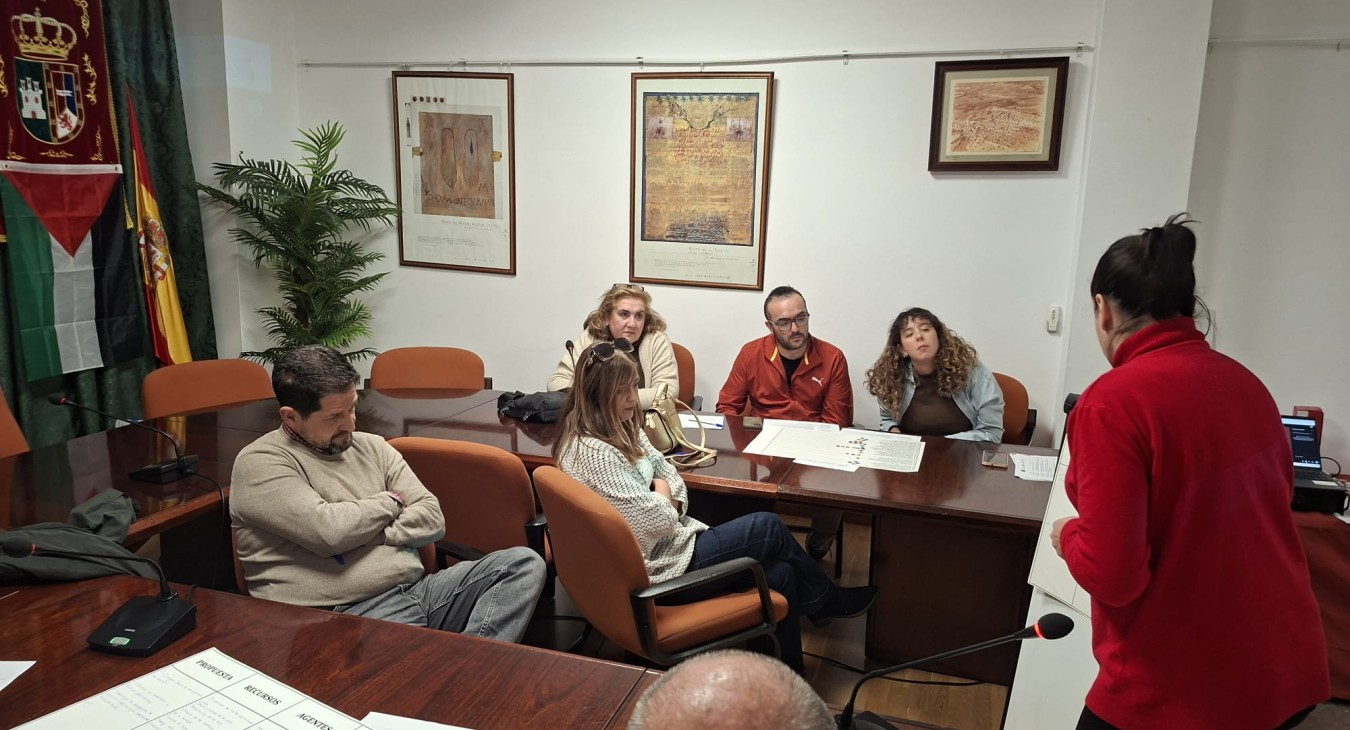
The Second Meeting of the Salar Heritage Community was conceived as a collaborative working space aimed at taking the next step in the process that began months ago: defining priorities, evaluating proposals, and designing a shared roadmap for the community’s future. The main objective was to collaboratively select the most relevant initiatives for Salar, analyse their feasibility, and establish a realistic action plan agreed upon by all stakeholders.
The meeting began with a review of the work carried out to date, revisiting the results of the first participatory workshop held in January 2026, in which more than 30 people linked to different sectors of the municipality (commerce, tourism, associations, education, and local government) participated.
Based on that initial process, some key strengths have been identified, such as the value of local heritage—especially the Roman villa of Salar—the existing social fabric, and the strong sense of community identity. Significant challenges were also highlighted, such as the need to improve communication, infrastructure, and accessibility.
Over the following months, this work was supplemented by in-person interviews with local and regional stakeholders, which made it possible to create a stakeholder map of the region and identify potential partnerships, available resources, and opportunities for collaboration. The stakeholder map of Salar can be viewed here: https://secretourproject.eu/mapa_actores_salar_v3.html
From Ideas to Action
The main part of the meeting took the form of a participatory exercise:
First, all the proposals gathered from the individual interviews were presented, covering areas such as cultural revitalization, sustainable tourism, and local entrepreneurship. Each participant was able to evaluate and select the initiatives they considered most relevant and feasible. Based on this vote, priority proposals were identified, which were then worked on in small groups. Each group analyzed its proposals in detail, refining the ideas, identifying available resources (human, material, and financial), pinpointing needs, and setting implementation deadlines.
Finally, a roundtable discussion was held to share the results and begin building a joint roadmap, with concrete proposals, estimated timelines, and potential partnerships for their implementation. The meeting also served to reinforce the participants’ commitment and make progress on the internal organization of the Heritage Community. Various roles necessary for the group’s operation were defined—such as coordination, communication, facilitation, institutional relations, and funding—and each participant was able to identify how they could contribute, both individually and through their organization or group. This exercise allowed not only for the distribution of responsibilities but also for strengthening the sense of belonging and shared responsibility within the community.
Next Steps
As a result of the meeting, the groundwork was laid for a shared roadmap, including short-, medium- and long-term actions. Among the next steps discussed were continuing to hold regular meetings, following up on the prioritized proposals, and consolidating the working groups.
This second meeting has therefore marked a significant step forward in the consolidation of the Salar Heritage Community, moving from the diagnostic and idea-generation phase to a more operational stage focused on action and the development of concrete initiatives.