General Director of Bibracte EPCC
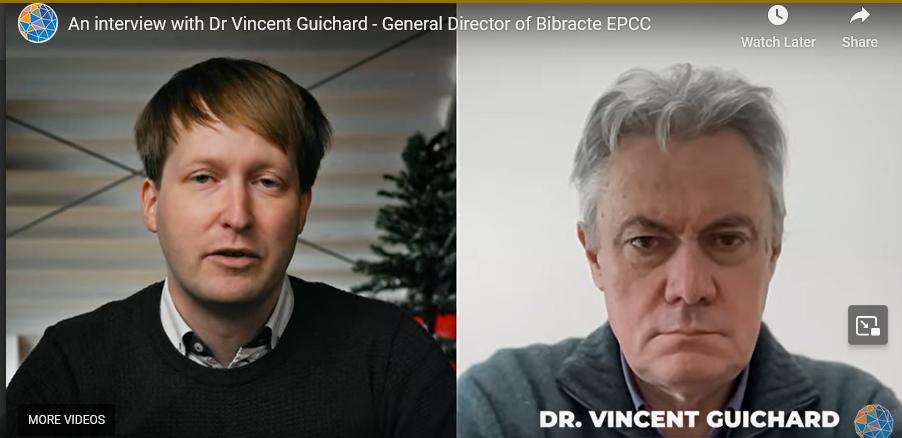
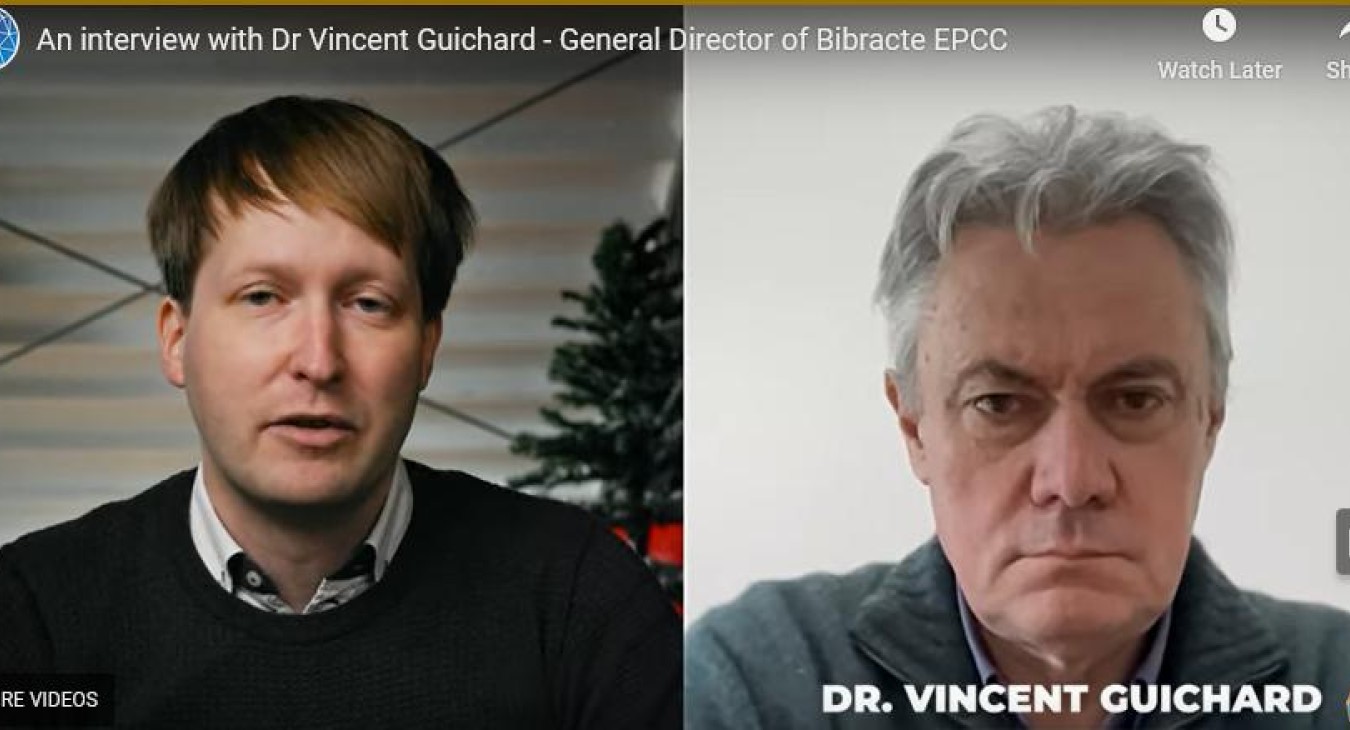
Listen to an interview by Matevz Straus with Dr Vincent Guichard, one of the SECreTour project partners.
https://www.youtube.com/watch?v=FtsBzvqHhnc
Dr Guichard explains how they are building a sustainable socioeconomic project working with 12 village communities and using a network of 1000 km of public trackways and the archaeological site of Bibracte, a 1st century BC city.
Transcript
Mateuz Strauss
Hello everyone. My name is Mateuz Strauss, and today we are hosting the first in a series of short video interviews with our project partners from SecreTour project today, here with me is Vincent Guichard, a general director of Bibracte from France. Hello, Vincent, hello.
Maybe to start, can you briefly introduce your location and the challenges you're dealing with?
Vincent Guichard
Well, Bibracte is situated right at the centre of France, more precisely in the region of Burgundy and even more precisely, in the hilly region of park natural regional do more just original park with a very high quality landscape. One of the issues of the of this territory today is the fact that there has been a very, very important demographic depression all over the 20th century, the territory has lost 80% of its population. So the project is about reactivating this territory by keeping it high quality landscape and by using the opportunity to have in the centre of the working place an archaeological, an important archaeological site. Bibracte, the site of first century BC city as the touristic focus.
Mateuz Strauss
So what is the heritage community that you're working with?
Vincent Guichard
So we, we are working with 12 village communities all together. It's fewer than 4000 inhabitants on a very large area. That means the density of inhabitants is under 10 per square kilometre. Our ambition is to create a comprehensive heritage community with all these people together.
Mateuz Strauss
What activities than you planned to do within the SECreTOur project.
Vincent Guichard
The SECreTour project we really are trying to use a shared attachment to the landscape to make people work together. And one of the practical way we do that is to reactivate the attachment to the network of ancient trackways which are belonging to the community, which are very often abandoned because of the lowering of the density of population, but which it is extremely important. We are speaking of more than 1000 kilometres of public trackways in this small area of 400 square kilometres, one of the best way to do that appears to be to reactivate this network as trails for slow tourism over over the territory, so creating new itineraries, advertising its itineraries, and building a touristic offer along the city narrows.
Mateuz Strauss
Very interesting. Are there any other activities that you also plan to do within the SECreTour?
Vincent Guichard
Well, let's say that this, this work around the reactivation of the this network of of trackways, is part of a broader project. We like to call it a territorial experimentation with all the issues of the territory. We are working on the management of the water resource, which is a very problematic in at the time of the climate change. We are working altogether with the the way to keep agriculture active and of course, a diversification of agriculture in the touristic economy seems very important to us, hybridation of the economy. We are also trying to keep good quality, forestry landscape, to keep the the the territory attractive for tourists, but also for the inhabitants. I think it's very important for that. So this work on the trackways, which is really the main focus on of the SECreTourtour, is within this context of a broader experimentation with with the inhabitants and the local actors,
Mateuz Strauss
and looking beyond the secretor projects, what is your vision? What is your mission?
Vincent Guichard
The vision is clearly to build a sustainable, socio economic project. I mean by sustainable, a project which economically can work by itself. So that is bringing money to fund the expertise, the animation of the territory, sustainable because it will keep the biodiversity of the territory or even improve it, because we can certainly improve the what's the existing know and sustainable because it is inclusive. That means bringing together all the inhabitants of the territory in the project wherever they are, socially and politically
Mateuz Strauss
Perfect. Thank you. Thank you. Vincent for this short introduction into your activities. Good luck with all your future plans, and probably we will speak at another point again. Thank you. Thank you very much.
For more information on the Bibracte pilot see https://secretourproject.eu/pilots/bibracte-landscape-common