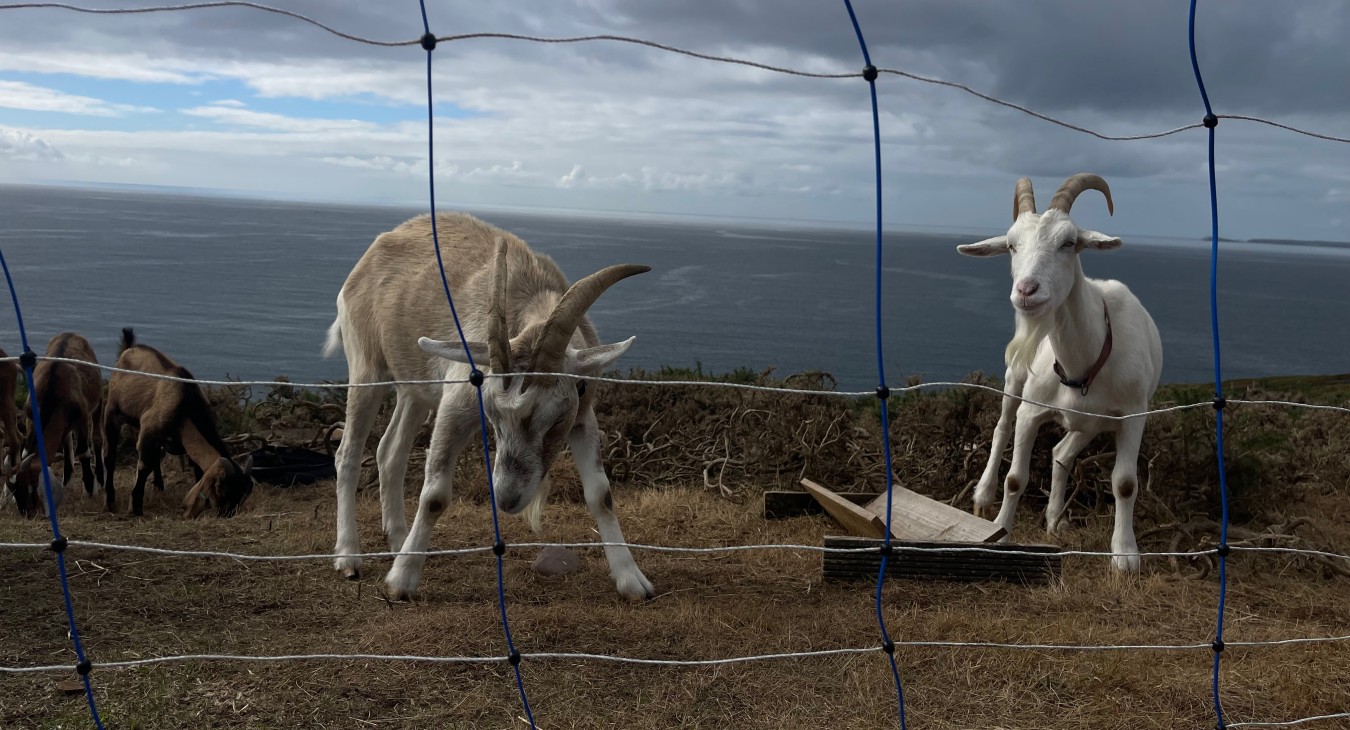
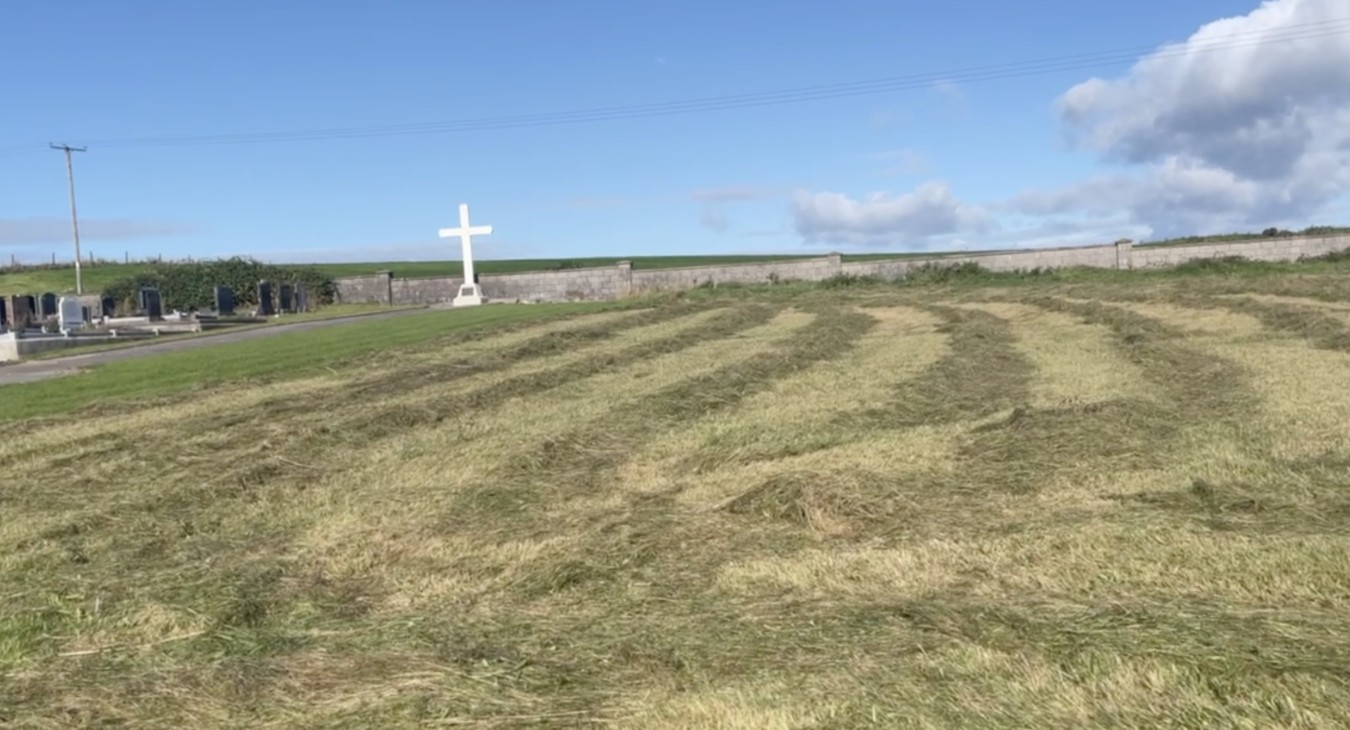
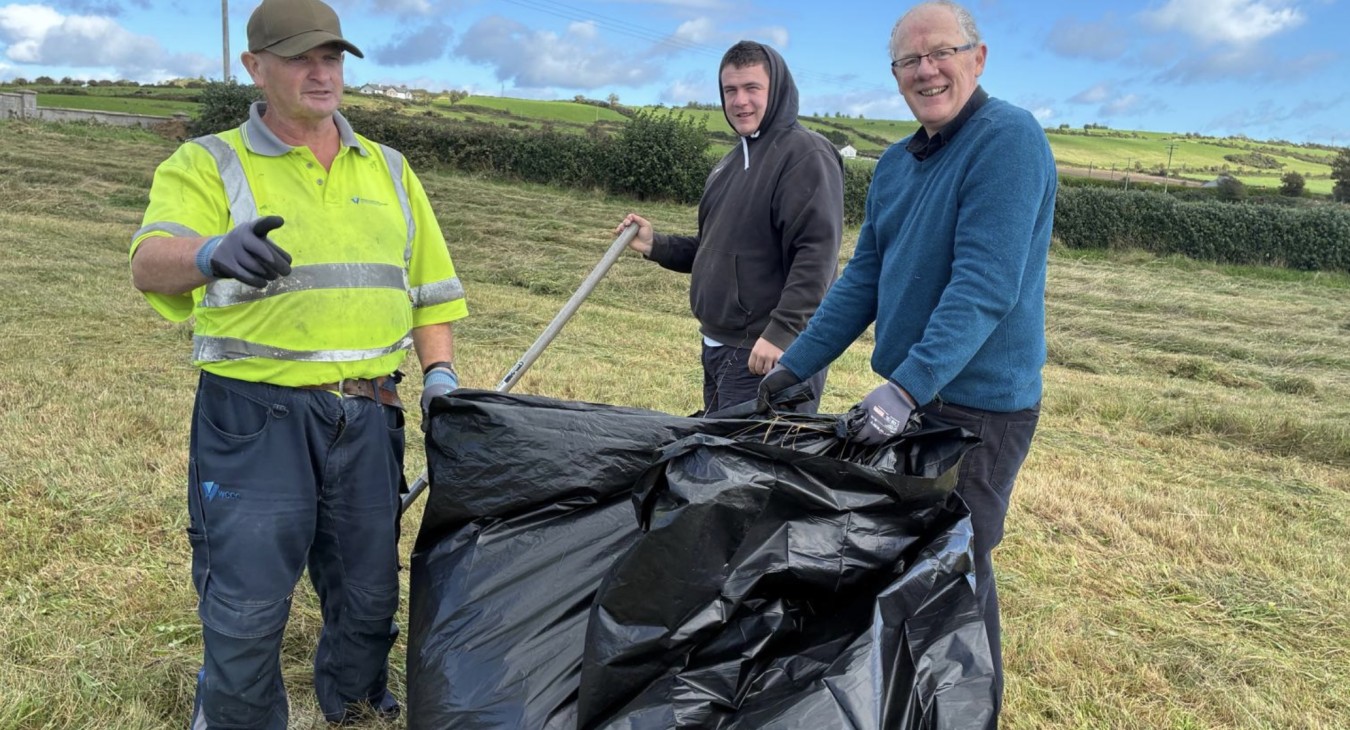
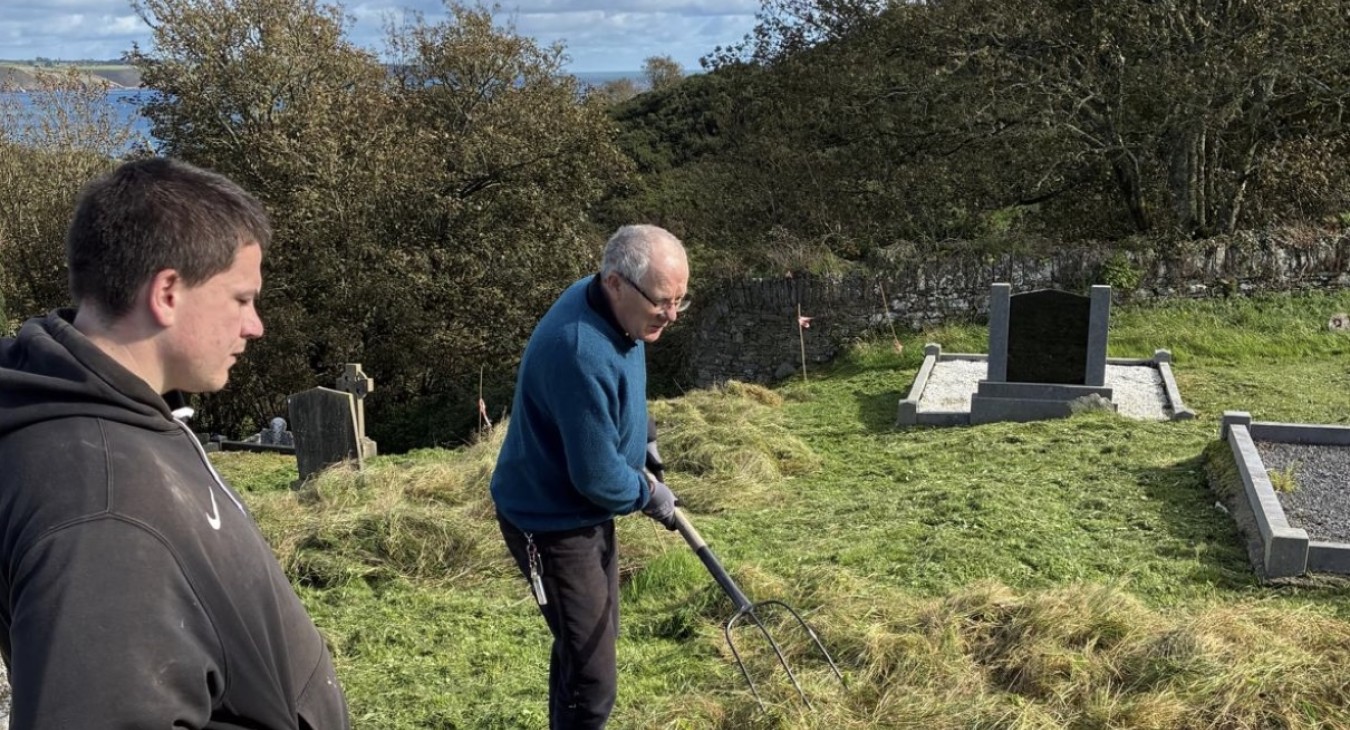
Our Irish pilot has developed an interesting off-shoot based on the topic of "payment for services agreements". The process of investigating this approach combined with our work within the local community has resulted in an interesting synergy. Two common problems in the Ardmore, West Waterford, area are the management of ground vegetation in local graveyards and also the recent changes in the local cliff walk. The cliff walk receives high numbers of daily visitors but since the switch from small scale farming to larger industrial-style farming has resulted in the older cliff-side flora being replaced by gorse and heather.
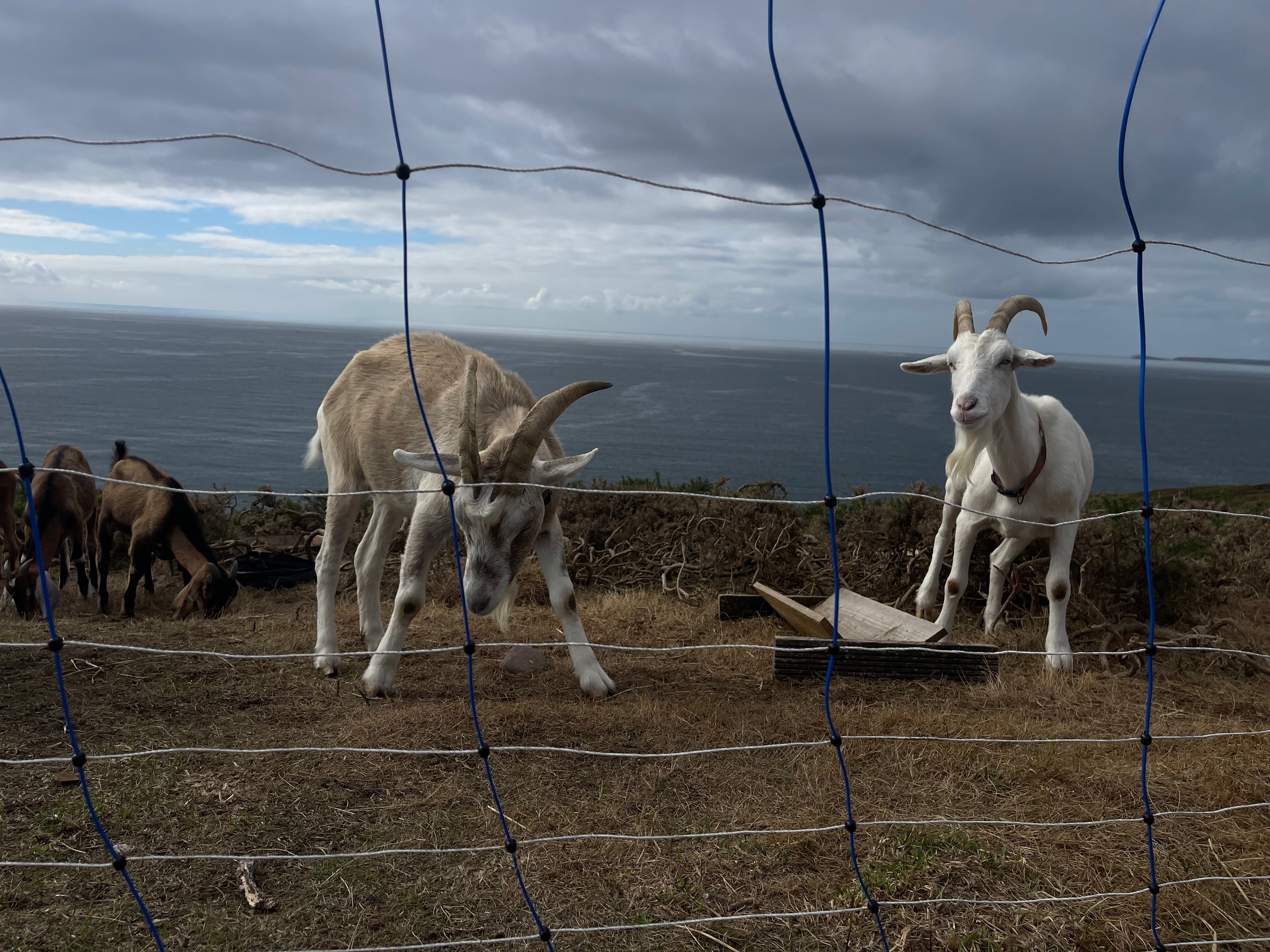
Traditional grazing out along the cliff walk involved small numbers of grazing or browsing animals maintaining a more diverse ground flora. As these small-scale practices stopped from the 1980s onwards the general biodiversity on the head suffered with some plots being overgrown by bracken and gorse in succession.
The cliff walk has a protected flora which means the local community can not intervene to change the flora without state permission. We made a series of funding applications from 2018-2021 to try and address the issue to no avail. Then in 2022 a combination of the local Ardmore Tidy Towns, the county council heritage officer, field botanist advice and our own heritage research resulted in progress. It was agreed a small herd of goats could be used intervene in the gorse succession in one of the cliff walk plots and it transformed the level of our permitted actions on the cliff walk with resulting knock-on benefits to the graveyard flora management required in our local burial grounds.
As the goats need more shelter in the Irish winter the plan is to base them in a number of more sheltered local plots. One behind the local national school and two others in overgrown historic graveyards. The school plot will be used to teach local children about smaller scale farming practices while the overgrown graveyards will now be returned to older management practices which will have important benefits for future management plans.
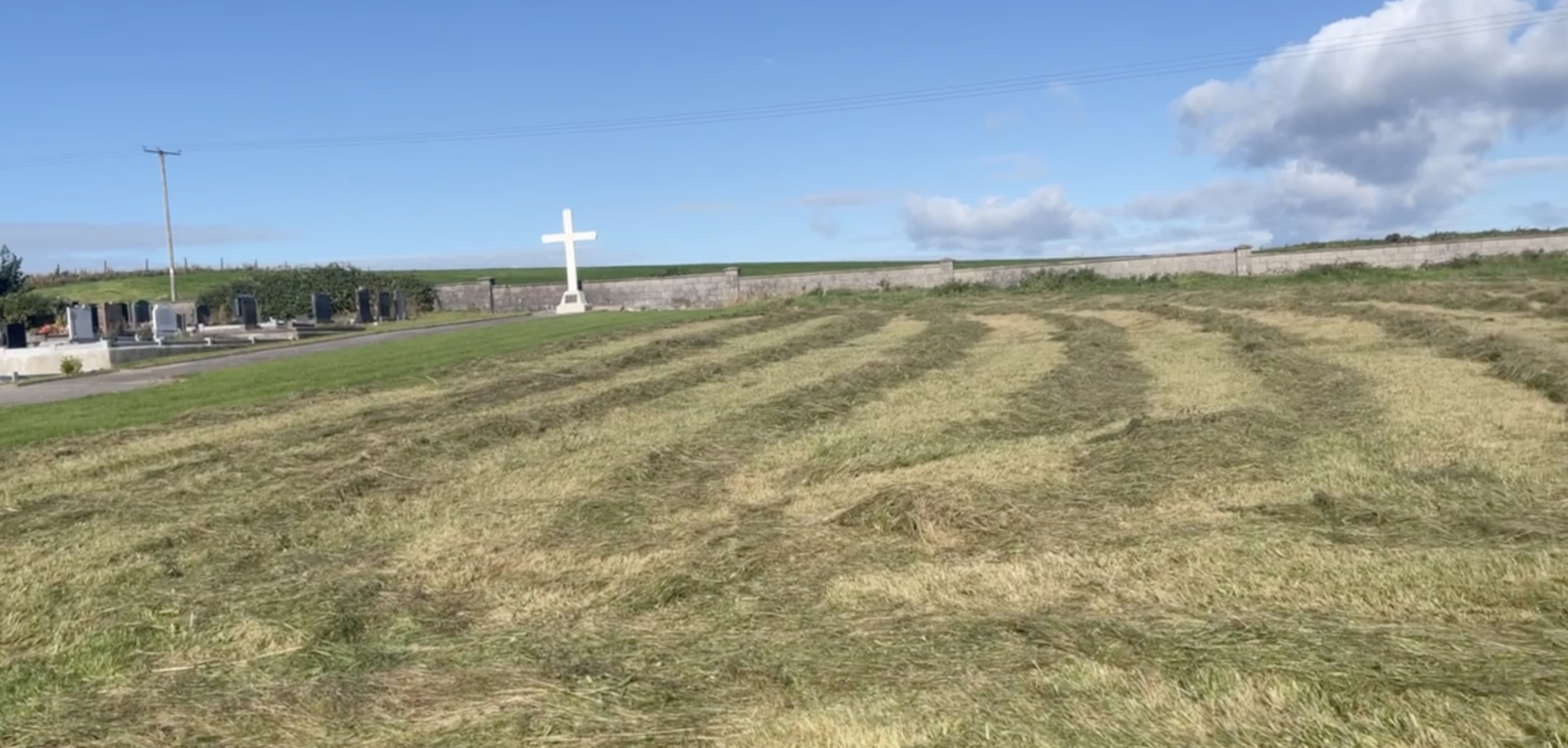
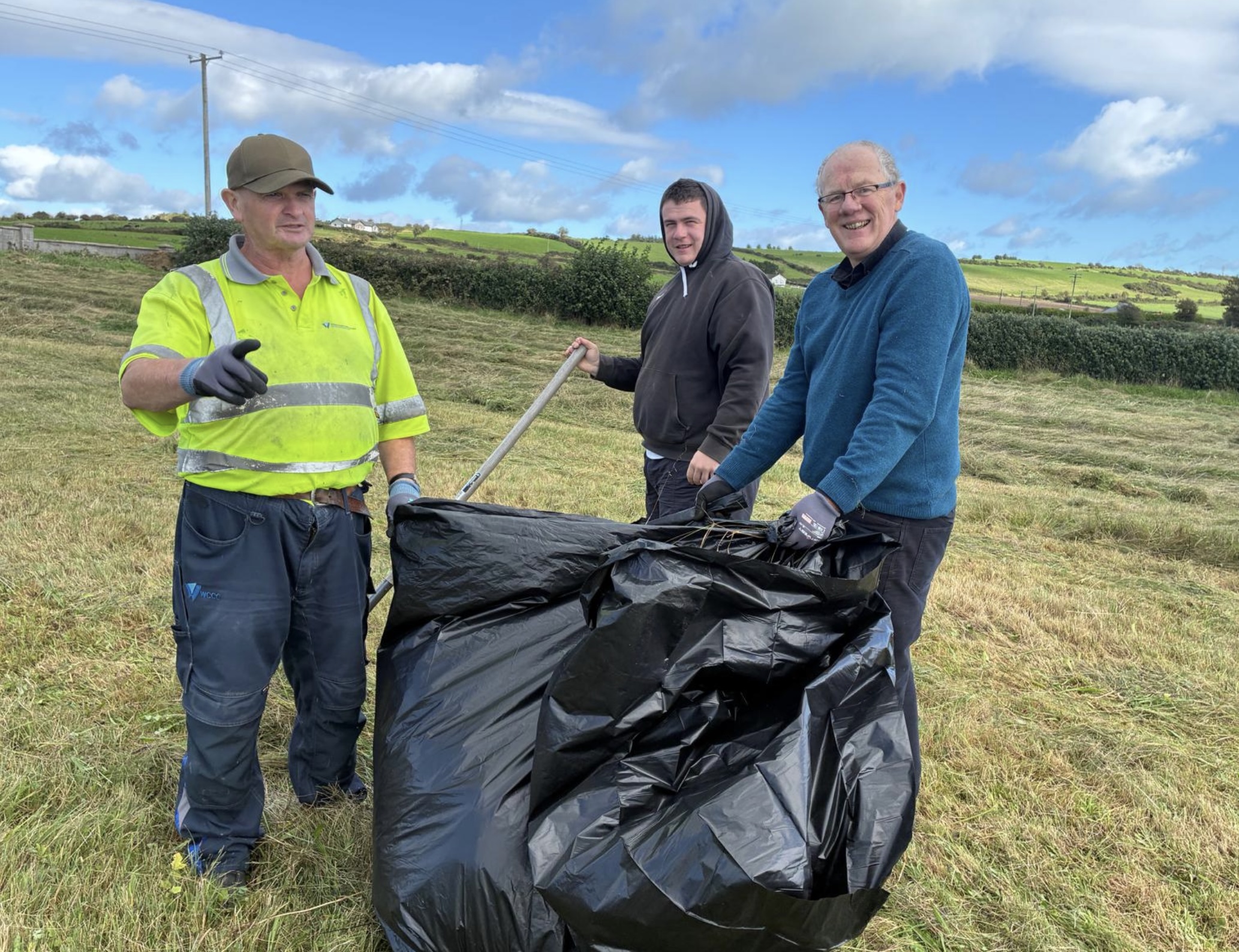
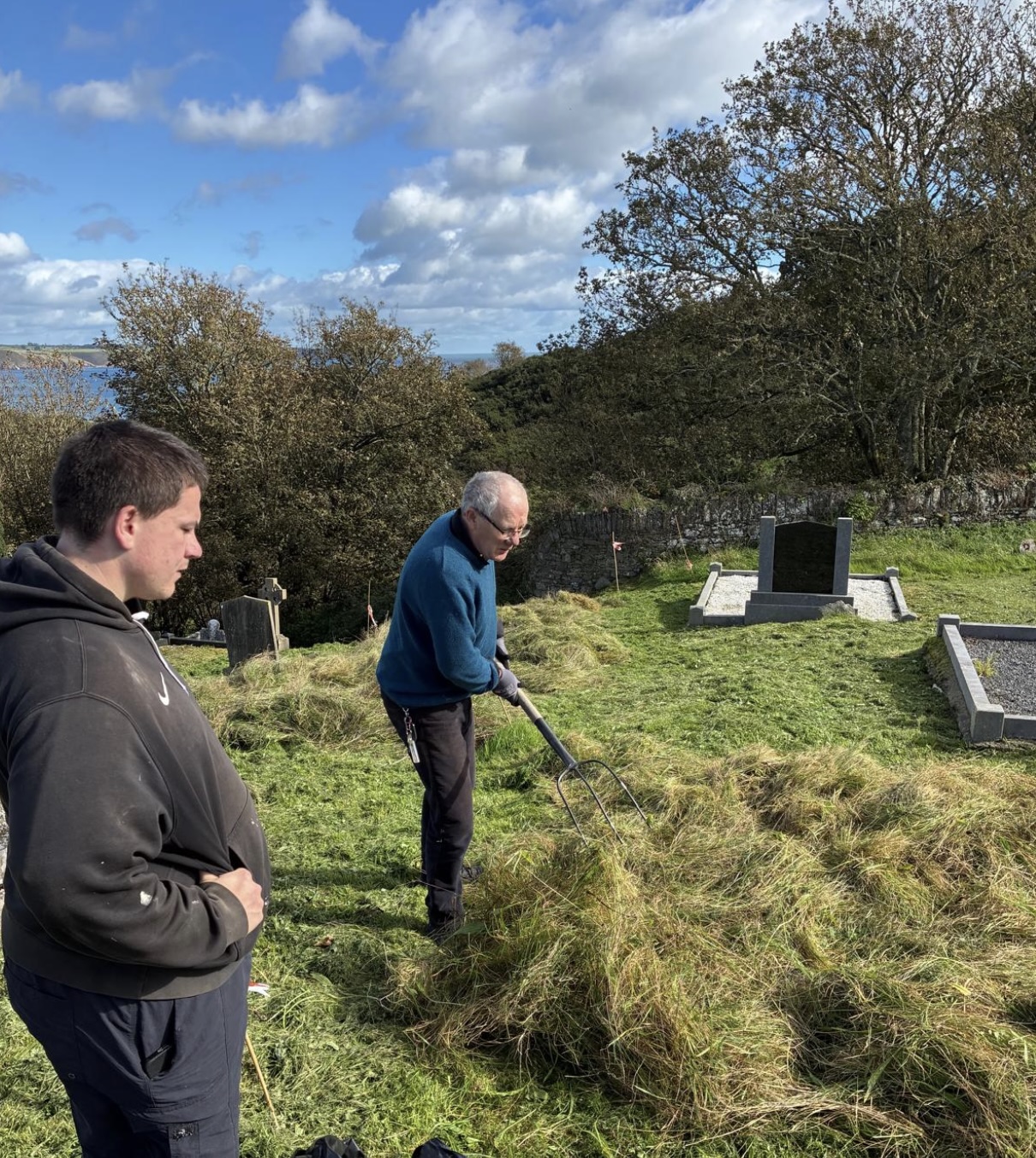
And that's where the green meadow transfer comes in. A modern cemetery in the parish was spotted as containing a rare limestone meadow flora which is being "cultivated" now as a donor site for other historic graveyards with different ground flora problems (in one case an intensive grass cutting regime is no longer sustainable and in another excessive use of weed killers has removed large elements of the ground vegetation - more anon).
What is particularly interesting about this work is that it has been incremental. There was a common need but the solution took decades to work out. An idea from here mixed with an idea from there and finally the logjam is broken. Last week the broader Ardmore community won a national award as Ireland's Greenest Place (https://waterfordcouncil.ie/council-supported-climate-action-helps-ardmore-shine-as-irelands-greenest-place/). Local resident Henry Murphy who is behind much of the recent climate change related works was quoted as citing community collaboration and long term perspective as key elemennts of their successful approach.
For those of us involved in community heritage it confirms the idea that we must participate with our broader community for the greater good. It's when we integrate archaeology, heritage, and history with climate change and landscape management that we achieve more. Talking to farmers, botanists, engineers, volunteers, and so on - that's where lies the potential. Cooperation and moving outside our specialist bubbles.